We need your help now

Support from readers like you keeps The Journal open.

You are visiting us because we have something you value. Independent, unbiased news that tells the truth. Advertising revenue goes some way to support our mission, but this year it has not been enough.

If you've seen value in our reporting, please contribute what you can, so we can continue to produce accurate and meaningful journalism. For everyone who needs it.

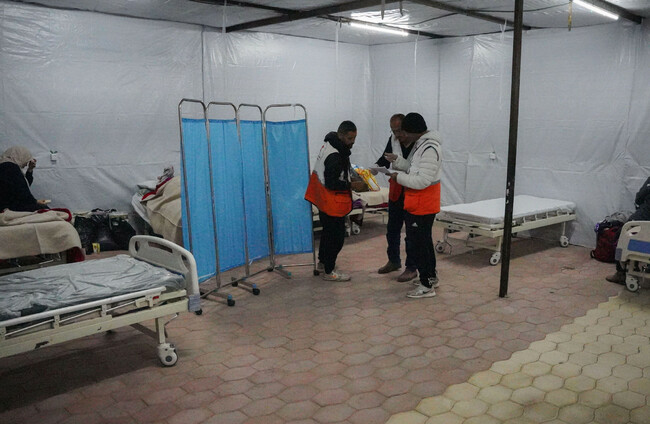
Nasset and Al-Amal hospitals are two of the last operating hospitals in Gaza. Alamy

Gaza's health system 'collapsing' as Israel plans to block access to two major hospitals

At least 37 people were killed in Israeli strikes in Gaza last night, the region’s civil defence agency.

GAZA’S HEALTH SYSTEM is “collapsing” with two of the largest hospitals still operating in the territory at risk of becoming non-functional, according to the World Health Organization (WHO).

Nasser Medical Complex and Al-Amal Hospital in southern Gaza lie just within or just outside evacuation zones mandated by the Israeli government and military. Most of the population also currently live in the hospital’s facilities, the WHO said.

“Without them, people will lose access to critical health services,” it added.

At least 37 people were killed in Israeli strikes in Gaza last night, according to the territory’s civil defence agency. It reported attacks up and down the length of the region.

The Israeli military did not immediately respond to the AFP agency request for comment.

International calls for a negotiated ceasefire have grown in recent weeks, particularly as the humanitarian situation in the devastated Palestinian territory has worsened. Last night, the US vetoed a Security Council resolution calling for a truce.

Israel has faced mounting international pressure to allow more aid into Gaza, after it imposed a more than two-month blockade that led to widespread shortages of food and other essentials.

Nasset and Al-Amal hospitals have not received orders to evacuate patients or staff, but Israeli authorities have informed the Ministry of Health that access routes leading to both hospitals will be obstructed, WHO said.

“As a result, safe access for new patients and staff will be difficult, if not impossible,” it added.

“If the situation further deteriorates, both hospitals are at high risk of becoming non-functional, due to movement restrictions, insecurity, and the inability of WHO and partners to resupply or transfer patients.”

With reporting by AFP

Readers like you are keeping these stories free for everyone...
A mix of advertising and supporting contributions helps keep paywalls away from valuable information like this article. Over 5,000 readers like you have already stepped up and support us with a monthly payment or a once-off donation.

Close
JournalTv
News in 60 seconds